IMS CHIPS at Eurosensors 2026: Optical Sensors and Scalable Photonics
Veröffentlicht am
IMS CHIPS at Eurosensors 2026: Optical Sensors and Scalable Photonics
From scientific exchange. To scalable innovation.
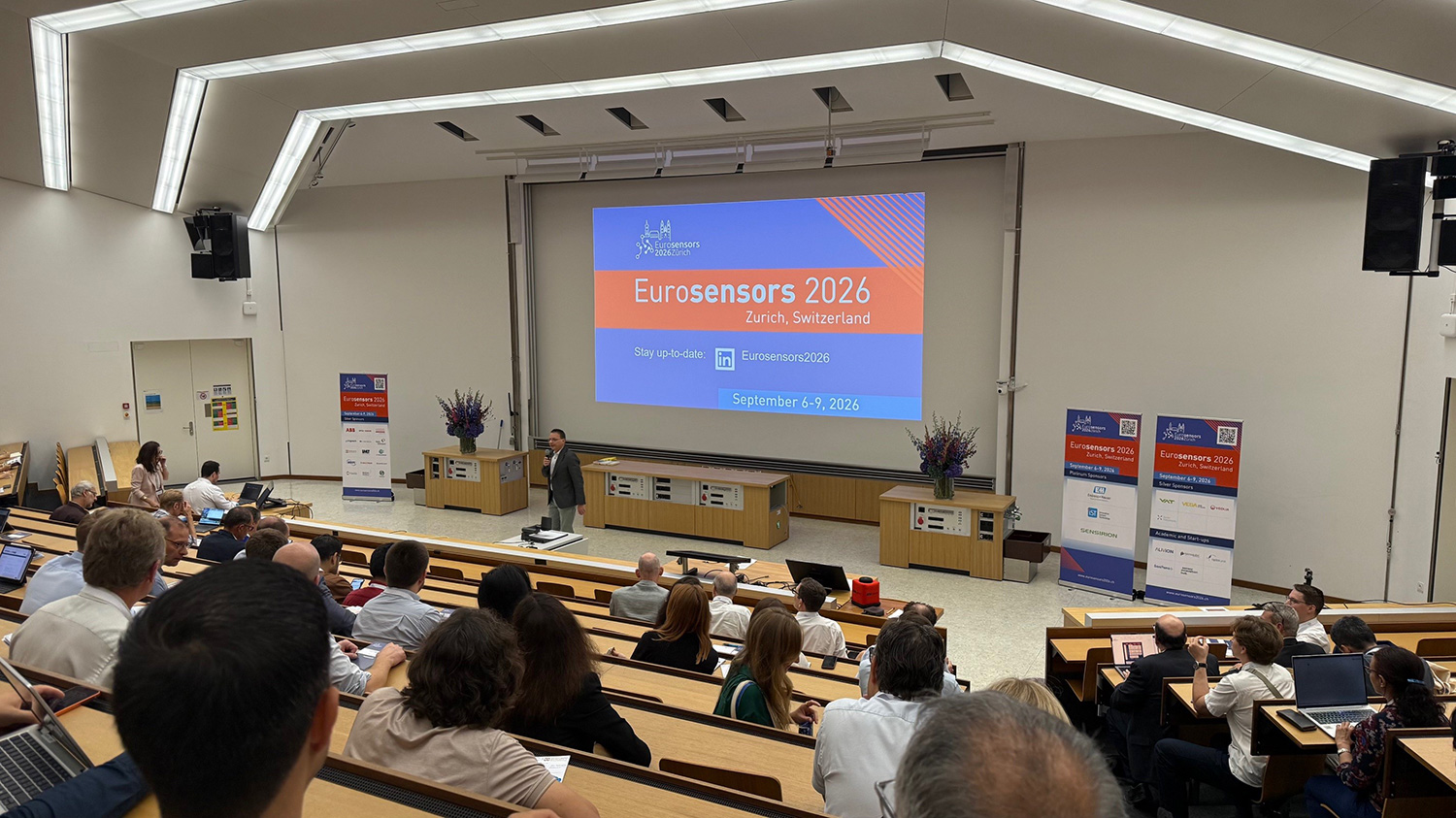
How can innovations in photonics move from research towards scalable technologies? This question was at the heart of the IMS CHIPS contribution to Eurosensors 2026 at ETH Zurich.
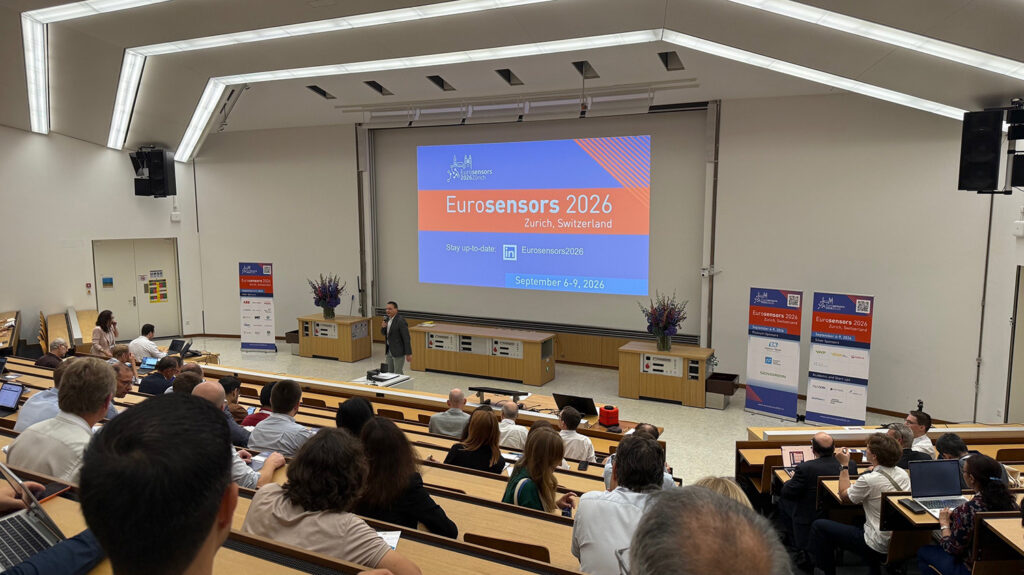
The international conference brings together experts from sensors, microsystems, MEMS and related research fields. For IMS CHIPS, it provided an opportunity to contribute its expertise, discuss current technological developments and strengthen the exchange with the international research and industry community.
Optical Sensors in international research
Prof. Dr. Niels Quack, Managing Director of IMS CHIPS, co-chaired the session “Optical Sensors” together with Prof. Hatice Altug from EPFL. The session focused on current research approaches and technological developments in optical sensing – a field closely connected to the expertise of IMS CHIPS in integrated photonics.
Further perspectives on the opportunities emerging at the intersection of sensors, MEMS and medicine came from Prof. Mark Allen in his keynote “MEMS Sensors for the Body: From Wireless Implants to Transdermal Diagnostics.”
Scaling photonic innovation
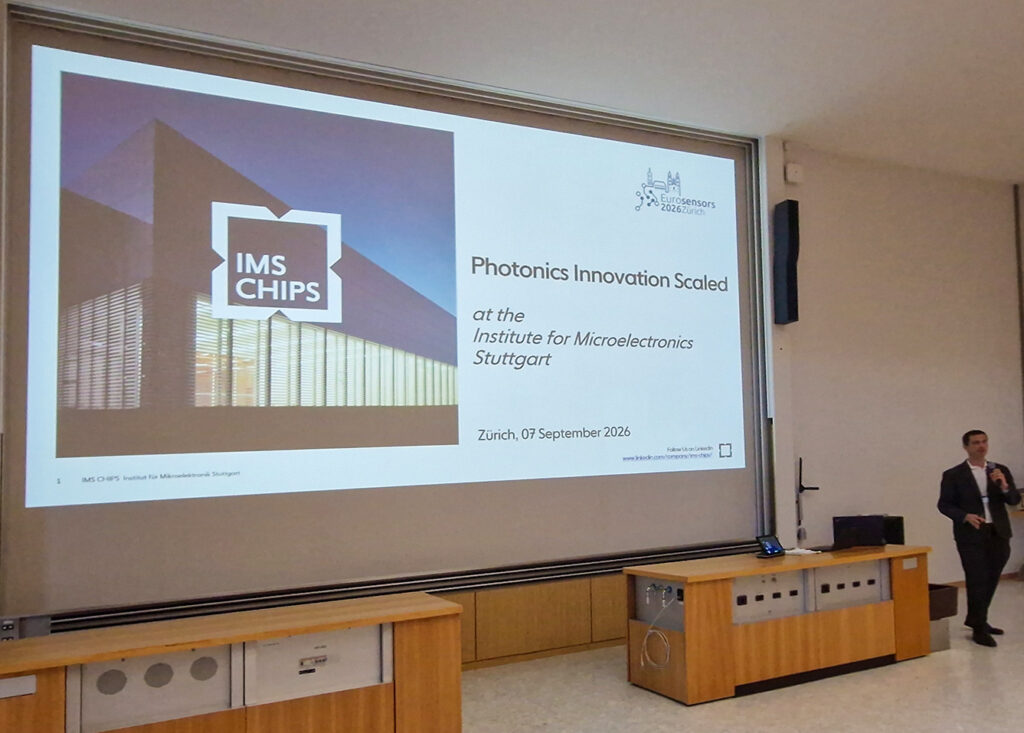
The connection between scientific innovation and technological scalability was also at the heart of the Industry Session. In his keynote “Photonics Innovation Scaled. At the Institut für Mikroelektronik Stuttgart.”, Niels Quack provided insights into the work of IMS CHIPS.
This reflects one of the institute’s central objectives: enabling new photonic approaches to progress beyond individual research results or demonstrators towards reproducible processes and scalable technologies – creating the foundation for future applications and technology transfer.
When research connects generations
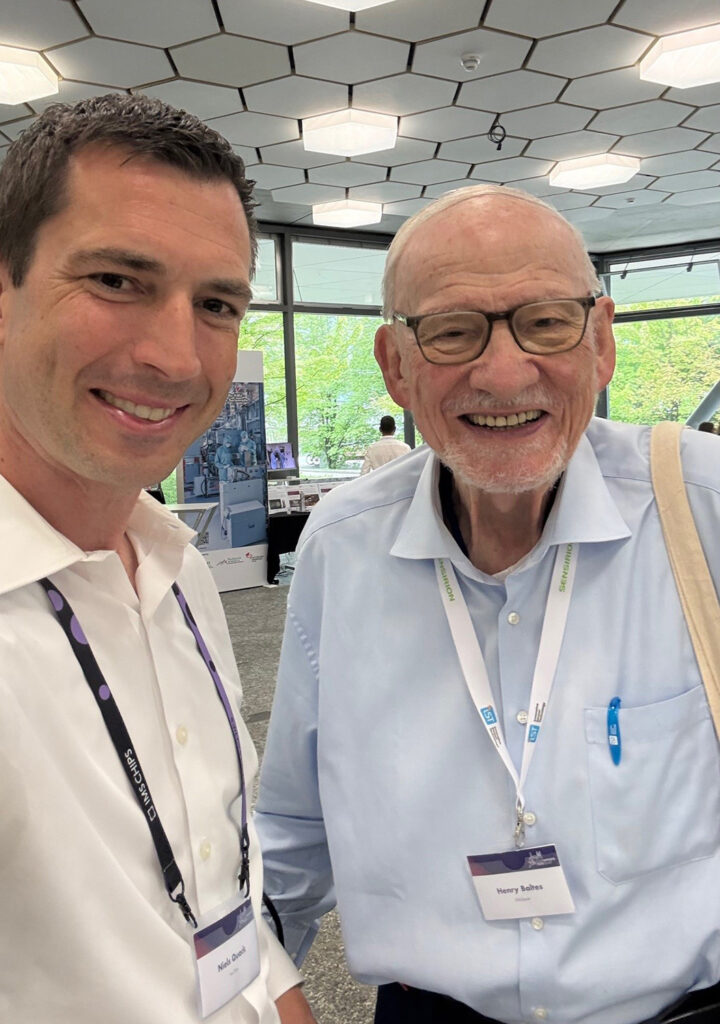
One encounter on the sidelines of the conference was a particularly inspiring reminder of how scientific communities connect generations: the exchange with Prof. Henry Baltes, one of the pioneers of IC-compatible microsystems technology.
At the age of 85, Baltes remains an active part of a community dedicated to the technologies of tomorrow. Perhaps that is one of the remarkable things about science: those who remain curious, continue to ask new questions, share their knowledge and engage with the latest developments remain part of progress – regardless of age.
For Niels Quack, meeting a scientist who has helped shape the development of microsystems technology over several decades was a special encounter and a great example of how research connects generations.
We were also very pleased to meet and exchange ideas with Steffen Diez from Heidelberg Instruments, a member of the IMS CHIPS Board of Trustees.
Eurosensors 2026 once again demonstrated what makes a strong scientific community: sharing new knowledge, connecting generations and disciplines, and advancing technologies together.
Our sincere thanks go to the organizers of Eurosensors 2026, ETH Zurich, all chairs, speakers and participants for the inspiring perspectives, open conversations and valuable exchange. We are grateful to be part of this community and look forward to continuing many of the conversations started in Zurich.